

Planning a major home renovation requires a careful balance between structural necessities, functional infrastructure, and aesthetic updates. Without a structured financial plan, large-scale projects can quickly exceed initial expectations due to unforeseen site conditions, shifting material costs, and scope additions. Navigating a whole-home transformation successfully requires looking beyond initial surface estimates to build a detailed budget that covers every layer of your property.
A practical budgeting strategy prioritizes foundational integrity and essential utilities before allocating capital toward decorative interior and exterior finishes. Reserving a dedicated contingency fund ensures that unexpected structural adjustments do not derail your overall timeline or force compromises on quality later. By establishing a clear financial roadmap from the start, you can manage contractor proposals with confidence, control labor expenses, and ensure every dollar invested delivers maximum value, long-term durability, and enhanced daily living.
Phase 1: Site Preparation and Structural Stabilization
Assessing Lot Conditions and Clearing Vegetation
Before breaking ground on any major expansion, patio installation, or structural renovation, evaluating the physical condition of your lot is essential. Overgrown trees, dense brush, unmanaged root networks, and poor grading can create severe drainage challenges and impede heavy construction machinery. Proper land preparation establishes clear property boundaries, prevents future root intrusion near sub-surface utilities, and ensures proper surface runoff away from your dwelling.
Taking time to prepare the site properly protects nearby structures and saves substantial labor costs down the line:
- Site Surveying: Mapping topography helps identify low-lying spots prone to pooling water and soil erosion.
- Debris & Stump Removal: Clearing deep root systems prevents future ground settling under new hardscapes or additions.
- Contractor Selection: Partnering with established land clearing companies ensures efficient site clearing and full compliance with local environmental permits.
- Access Planning: Establishing designated access lanes protects existing lawns and hardscapes from damage caused by heavy equipment.
Thorough site preparation creates a clean slate for upcoming trades while preventing costly delays during the main construction phase.
Securing the Structural Integrity of Your Home
A stable, secure foundation is the prerequisite for any successful interior remodeling effort. Investing in high-end cabinetry, hardwood flooring, or custom tile work is unwise if underlying settlement, moisture infiltration, or wall bowing remain unaddressed. Early signs of structural stress often include sticking doors, diagonal drywall cracks, uneven floorboards, and water seepage along basement perimeter walls.
Addressing structural deficiencies requires a methodical assessment to protect your overall investment:
- Professional Inspections: Independent structural engineers provide unbiased assessments of load-bearing walls and foundation footings.
- Moisture Management: Exterior curtain drains, sump pumps, and vapor barriers stop ongoing water intrusion that weakens concrete.
- Targeted Remediation: Working with certified professionals for expert foundation repairs resolves underpinning issues, stops ongoing settlement, and stabilizes floor joists permanently.
- Permit Alignment: Securing structural permits ensures all reinforcement work meets or exceeds local municipal building codes.
Prioritizing structural stability ensures your cosmetic upgrades remain flawless and secure for decades to come.
Phase 2: Exterior Hardscaping and Driveway Infrastructure
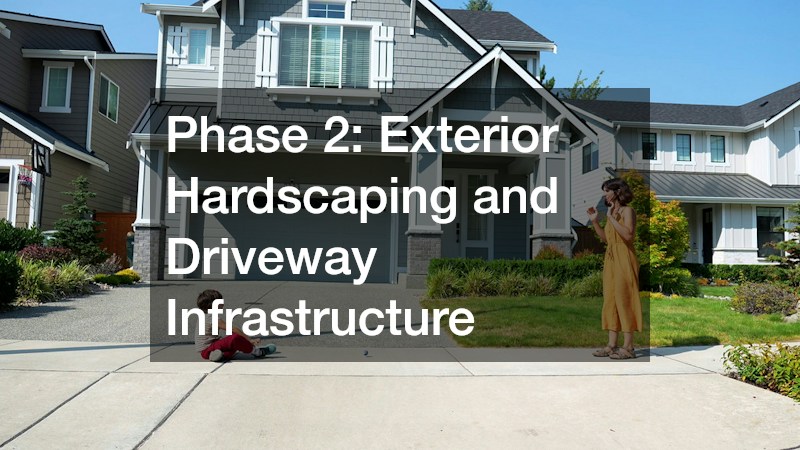
Designing Durable Patios and Exterior Flatwork
Outdoor living zones act as natural extensions of your indoor space, offering versatile areas for entertaining, dining, and relaxation. Designing durable flatwork involves selecting high-performance materials that withstand seasonal freeze-thaw cycles, heavy foot traffic, and UV exposure. Proper excavation, sub-base compaction, and integrated drainage channels prevent surface cracking, settling, and water pooling near your home’s exterior walls.
Creating a long-lasting outdoor living feature requires focusing on structural sub-layers as much as surface aesthetics:
- Sub-Grade Preparation: A thick, fully compacted gravel base distributes loads evenly and prevents shifting during seasonal frost heaves.
- Control Joint Placement: Strategically scored expansion joints control natural material expansion and contract to minimize random cracking.
- Professional Pouring: Contracting an experienced concrete service guarantees precise slab thickness, proper reinforcement mesh, and clean edge finishing.
- Surface Sealing: Applying penetrating sealers guards against moisture absorption, oil staining, and surface scaling.
Well-executed flatwork enhances day-to-day outdoor functionality while driving up your home’s curb appeal and market value.
Upgrading Vehicle Access and Driveway Surfaces
A well-constructed driveway provides reliable access, accommodates vehicle weight, and frames the front view of your property. Over time, heavy loads, weather exposure, and base erosion can cause asphalt surfaces to develop potholes, edge crumbling, and longitudinal cracks. Planning a driveway replacement or expansion requires factoring in base preparation, total square footage, and proper pitch to channel stormwater toward municipal drainage systems.
Upgrading your vehicle entry demands careful balance between durable materials and precise installation techniques:
- Base Evaluation: Verifying sub-base depth ensures the surface can handle heavy delivery vehicles without rutting.
- Surface Pitching: Designing a minimum one-percent slope prevents standing water, which accelerates surface degradation.
- Skilled Execution: Engaging a reputable asphalt contractor guarantees proper hot-mix laydown temperatures and uniform roller compaction.
- Preventative Maintenance: Scheduling crack filling and sealcoating every few years dramatically extends total surface longevity.
Investing in a robust, smooth driveway surface provides immediate functional benefits and elevates overall exterior aesthetics.
Phase 3: Mechanical and Utility Upgrades
Protecting Household Plumbing and Water Quality

High-quality water throughout the home preserves indoor plumbing lines, protects luxury fixtures, and improves daily water usage. Hard water containing high levels of calcium and magnesium causes mineral scale build-up inside water heaters, dishwasher elements, and decorative faucets. Over time, this accumulation reduces water flow, degrades internal seals, and significantly shortens the lifespan of major appliances.
Evaluating and conditioning incoming water protects your plumbing infrastructure from premature wear:
- Water Testing: Professional lab testing measures exact grains per gallon of hardness and identifies trace iron or sediment.
- Appliance Protection: Removing scale-forming minerals preserves boiler heating elements, tankless systems, and high-end showers.
- System Installation: Integrating an efficient water softener eliminates mineral deposits, reduces soap usage, and protects overall plumbing health.
- Routine Servicing: Budgeting for salt replenishment and resin bed sanitizing maintains consistent water quality year-round.
Investing in whole-home water treatment safeguards internal mechanical components and ensures trouble-free plumbing operations.
Integrating Smart Infrastructure and Energy Efficiency
Modernizing home infrastructure with centralized digital controls enhances operational efficiency, security, and daily convenience. Smart home technology allows homeowners to monitor energy consumption, automate lighting schedules, control climate zones remotely, and manage access security from a unified smartphone application. Integrating these systems during major renovation open-wall phases eliminates messy retrofits and reduces labor costs.
Structuring a comprehensive smart technology upgrade involves key infrastructure considerations:
- Centralized Wiring: Running structured network cabling supports stable data distribution for cameras, sensors, and audio speakers.
- Automated Climate Controls: Smart thermostats adjust ambient temperatures based on occupancy patterns to lower heating and cooling bills.
- Professional Setup: Utilizing specialized home automation services ensures seamless integration between lighting controls, AV equipment, and security hardware.
- Surge Protection: Installing whole-house surge suppression guards sensitive electronic components against power spikes.
Upgrading to smart utility controls creates an responsive, energy-efficient living environment tailored to your daily routines.
Phase 4: Interior Spatial Planning and Architectural Details
Conceptualizing Layouts and Cohesive Finishes
Transforming interior floor plans requires balancing architectural aesthetics with functional spatial flow, natural light exposure, and structural constraints. Whether opening up a cramped kitchen, reconfiguring a primary bathroom suite, or designing built-in storage, professional spatial planning prevents awkward room layouts and ensures efficient movement through living zones. Defining material selections early eliminates mid-project change orders that drive up costs.
Effective interior planning relies on structured collaboration and meticulous detail management:
- Flow Optimization: Designing clear traffic paths keeps open-concept spaces functional and visually uncluttered.
- Material Harmonization: Coordinating flooring transitions, wall finishes, and cabinetry unifies distinct living areas.
- Project Oversight: Hiring a skilled interior design contractor helps streamline material sourcing, manage sub-trades, and maintain overall design intent.
- Budget Tracking: Establishing clear line-item allowances for fixtures prevents overspending on high-end decorative pieces.
Thoughtful interior planning ensures every square foot of your renovated space serves a clear functional purpose while reflecting your personal style.
Elevating Multi-Level Architectural Features
Staircases act as prominent architectural focal points in multi-level homes, connecting main living zones while setting an immediate design tone. Updating dated balusters, worn treads, and tired handrails transforms a standard transitional space into a striking visual feature. Modern designs incorporate a wide range of material pairings, including wrought iron spindles, sleek stainless cable, warm hardwoods, and frameless glass panels.
Upgrading multi-story architectural transitions involves both structural and visual alignment:
- Material Cohesion: Selecting metals and hardwoods that complement existing flooring and door hardware creates a unified aesthetic.
- Code Compliance: Ensuring correct handrail height, baluster spacing, and structural load capacity is critical for household safety.
- Custom Fabrication: Investing in custom staircase railings delivers tailored craftsmanship that fits exact architectural angles.
- Lighting Accentuation: Incorporating low-voltage LED strip lights beneath tread overhangs increases visibility and adds modern ambiance.
- Acoustic Dampening: Adding runner rugs or solid hardwood treads minimizes footstep noise between vertical levels.
Updating vertical structural elements adds sophistication and timeless character to central entryways and living rooms.
Phase 5: Complete Interior and Exterior Surface Finishes
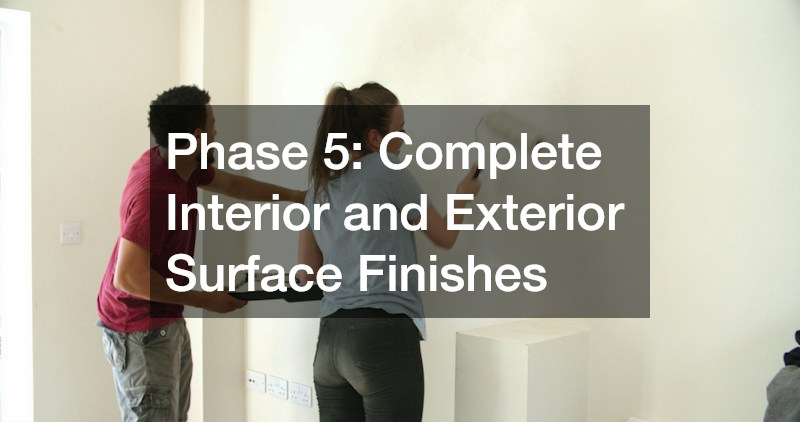
Revitalizing Living Areas with Fresh Wall Coatings
Interior painting provides one of the fastest, most cost-effective ways to refresh living spaces, brighten dark hallways, and establish a cohesive color palette. Beyond aesthetic appeal, fresh wall coatings protect drywall surfaces against scuffs, moisture accumulation, and everyday wear. Achieving professional, long-lasting results requires meticulous surface preparation, including patching nail holes, sanding seam lines, priming stains, and applying premium low-VOC paints.
Managing an interior painting project efficiently involves several key execution steps:
- Surface Remediation: Filling cracks, repairing tape joints, and sanding smooth creates a flawless foundation for topcoats.
- Sheen Selection: Matching paint finishes—such as matte for ceilings, eggshell for bedrooms, and semi-gloss for trim—ensures durability and washability.
- Professional Execution: Partnering with established interior painting companies guarantees crisp cut-in lines, uniform coverage, and minimal household disruption.
- Color Testing: Testing paint swatches under both natural daylight and warm evening bulbs prevents unexpected color shifts.
A crisp, high-quality interior paint job unifies design elements and brings a polished, completed feel to every room.
Shielding Weather-Exposed Exterior Surfaces
Exterior paint and stain coatings form the primary barrier protecting your home’s siding, trim, and fascia from rain, intense sun exposure, and seasonal temperature swings. Over time, neglected exterior surfaces can crack, peel, and expose wood framing to rot and insect damage. A comprehensive exterior painting project requires extensive preparation, including high-pressure washing, scraping loose flake, replacing rotted wood, and caulking open trim gaps.
Protecting exterior surfaces demands high-performance materials and thorough application methods:
- Thorough Washing: Removing chalky residues, dirt, and mildew ensures new paint adheres tightly to underlying substrate materials.
- Wood Repair: Replacing soft or damaged trim before painting prevents moisture from trapped beneath new coatings.
- Expert Application: Engaging reputable local exterior painting services ensures proper paint thickness, appropriate spray techniques, and long-lasting weather protection.
- Seam Caulking: Applying high-durability elastomeric caulking around window frames and corner boards prevents water infiltration.
Investing in top-tier exterior surface maintenance shields your property against environmental wear while maximizing curb appeal.
Financial Management, Contracting, and Project Execution

A successful home renovation requires active financial management from initial planning through the final walkthrough. Securing multiple itemized proposals from qualified contractors allows you to compare labor rates, material quality allowances, and estimated timelines accurately. Standardizing project scope descriptions ensures that every contractor bids on identical specs, making cost comparisons straightforward and transparent.
Structuring payment schedules around verified completion milestones—rather than paying large upfront sums—keeps the project moving forward on schedule. Implementing a formal change-order process ensures that any adjustments to scope, materials, or timelines are documented in writing with agreed-upon pricing before work proceeds. Maintaining clear communication, verifying active insurance policies, and conducting thorough punch-list inspections protect your budget and deliver a finished home that matches your vision.
Budgeting for a comprehensive home improvement project is an investment in your property’s safety, efficiency, and long-term value. By following a structured, phase-based framework, you can address critical site work and structural stabilization before committing resources to mechanical systems, interior spatial design, and final surface finishes. This balanced approach protects your budget from sudden overruns while ensuring every trade works in logical sequence.
Maintaining an emergency reserve fund and using formal contracting agreements allows you to handle unexpected site conditions smoothly without sacrificing quality. Ultimately, thorough financial planning transforms a complex, multi-stage renovation into a manageable, rewarding experience. Taking time to establish your budget, vet trade professionals, and prioritize essential upgrades ensures your newly transformed home delivers daily comfort, elevated aesthetics, and lasting financial equity for years to come.