
Water damage can begin with something as minor as a leaking pipe or overflowing appliance, but the effects can spread throughout a home surprisingly quickly. Water can seep beneath flooring, enter walls, damage structural materials, and create conditions that encourage mold growth. In many cases, the most serious problems are not immediately visible.
Responding quickly can help limit the extent of the damage and make restoration more manageable. A professional damage restoration company can evaluate affected areas, remove standing water, dry materials, and identify damage that may be hidden behind walls or underneath floors. Understanding the risks of water damage can also help homeowners recognize why even seemingly small leaks deserve attention.
Water Can Damage Structural Materials
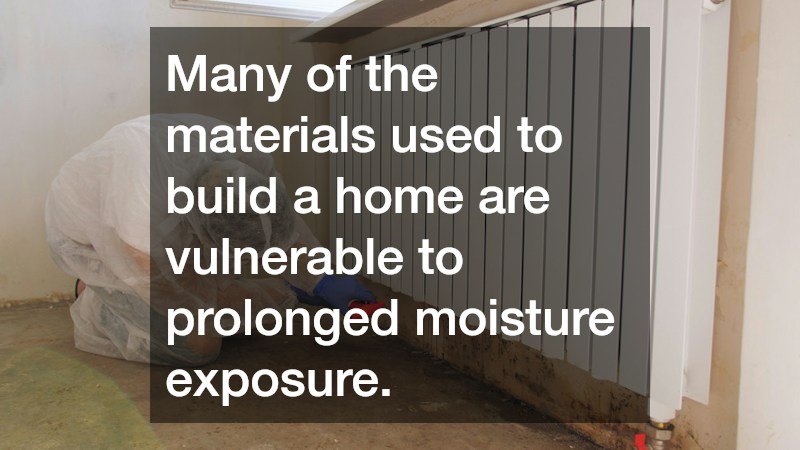
Many of the materials used to build a home are vulnerable to prolonged moisture exposure. Wood framing, subflooring, drywall, insulation, and other components can absorb water following a leak or flood.
Wood may swell, warp, or deteriorate when it remains wet. Drywall can soften and lose its integrity, while insulation may become saturated and stop performing effectively. If significant moisture reaches structural components and is not addressed, repairs can become considerably more extensive.
The severity of the damage depends on factors such as the amount of water, where it traveled, and how long materials remained wet. This is one reason finding the full extent of a water problem is important.
Mold Can Develop in Damp Areas
Mold is another major concern following water damage. Damp building materials can create an environment where mold can grow, particularly when moisture remains trapped in dark or poorly ventilated areas.
The challenge is that mold does not always develop somewhere homeowners can easily see it. Moisture may collect behind drywall, beneath flooring, around cabinets, or inside other concealed spaces. A room may appear dry at the surface while materials underneath still contain moisture.
Drying the affected area thoroughly is therefore an important part of responding to water damage. Simply wiping up visible water may not address moisture that has penetrated porous materials.
Electrical Systems May Become Hazardous
Water and electricity are a dangerous combination. Flooding or significant leaks may expose outlets, wiring, electrical panels, appliances, and other components to moisture.
Homeowners should avoid entering areas with standing water when there is a possibility that electrical equipment has been affected. Depending on the circumstances, electricity may need to be shut off before the area can be safely inspected.
Electrical components exposed to water may also require professional evaluation before they are used again. Even after visible water has disappeared, moisture can remain in areas that are difficult to inspect without the proper equipment.
Contaminated Water Can Create Additional Risks
Not all household water damage involves clean water. A broken supply line may initially release relatively clean water, while sewer backups and certain types of flooding can introduce bacteria, waste, chemicals, or other contaminants into the home.
Contaminated water requires particularly careful cleanup. Porous materials that absorb it may not always be suitable for simple drying and reuse. Carpeting, insulation, drywall, and other materials may need to be removed depending on the type and severity of contamination.
Homeowners should be especially cautious about attempting extensive cleanup when sewage or other potentially hazardous contaminants are present.
Water Can Spread Beyond the Original Leak
One of the most deceptive characteristics of water damage is how easily water travels. A leak that begins in one room may spread into adjoining walls, flooring, ceilings, or lower levels of the house.
For example, a leaking bathroom fixture on the second floor might eventually cause staining on the ceiling below. By the time the stain becomes noticeable, water may already have affected insulation, drywall, framing, and other materials between the floors.
Professional moisture-detection equipment can help determine where water has traveled. Identifying these areas early can reduce the likelihood that hidden moisture remains after visible cleanup is complete.
Flooring and Personal Property Can Be Ruined
Water can also damage flooring and belongings. Hardwood may warp or buckle, laminate can swell, and carpet can become saturated. Depending on how long materials remain wet, some flooring may require replacement rather than drying alone.
Furniture, electronics, clothing, photographs, documents, and other personal belongings may also be affected. Acting quickly can sometimes improve the chances of saving certain possessions before moisture causes permanent damage.
When significant water damage occurs, homeowners should document affected areas and belongings before cleanup when it is safe to do so. Photos and videos may be useful when communicating with an insurance provider.
Delaying Repairs Can Make the Problem Worse
A small leak may seem manageable enough to postpone, particularly when it is not causing obvious disruption. However, continuing moisture can gradually expand the damaged area.
Waiting can allow water to penetrate deeper into building materials. What might initially involve drying a small section of flooring could eventually require replacing drywall, insulation, trim, or structural materials.
Finding and correcting the source of the water is just as important as cleaning up the visible damage. Without fixing the underlying leak, moisture may continue returning after repairs are completed.
Quick Action Can Help Protect Your Home
Water damage can threaten a home’s structure, electrical system, indoor environment, flooring, and personal property. Because moisture can move into concealed areas, the damage visible on the surface may represent only part of the problem.
If a significant leak, flood, or plumbing failure occurs, stop the source of the water when it is safe to do so and begin addressing the affected areas promptly. A qualified damage restoration company can help determine how far the water has spread and what materials can be dried, cleaned, restored, or replaced. Taking action early can help prevent a manageable water problem from developing into a much larger repair project.